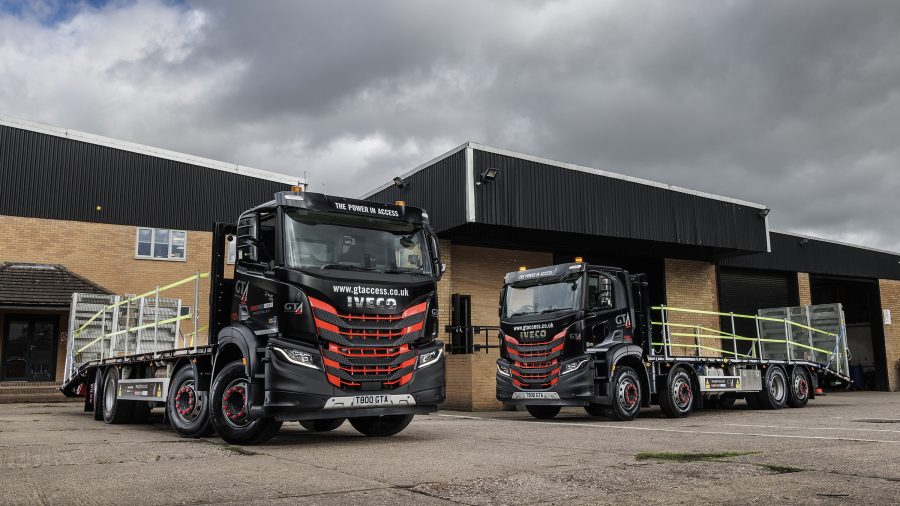
MegaloadThe go-to choice for heavy-duty machines such as general plant equipment, excavators, dumpers, and rollers.
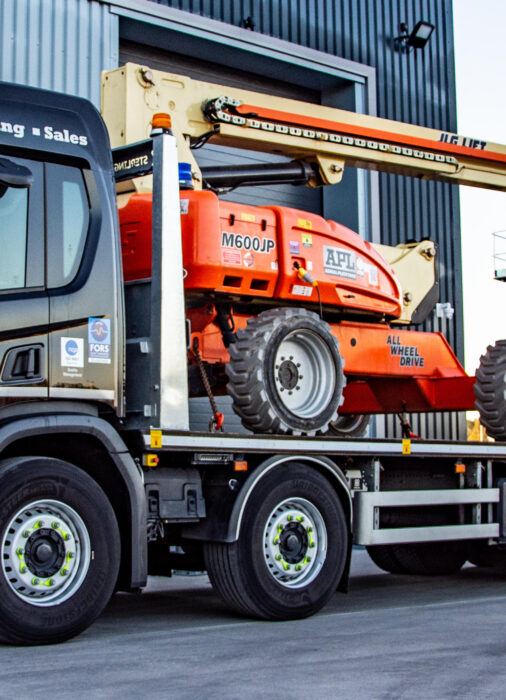
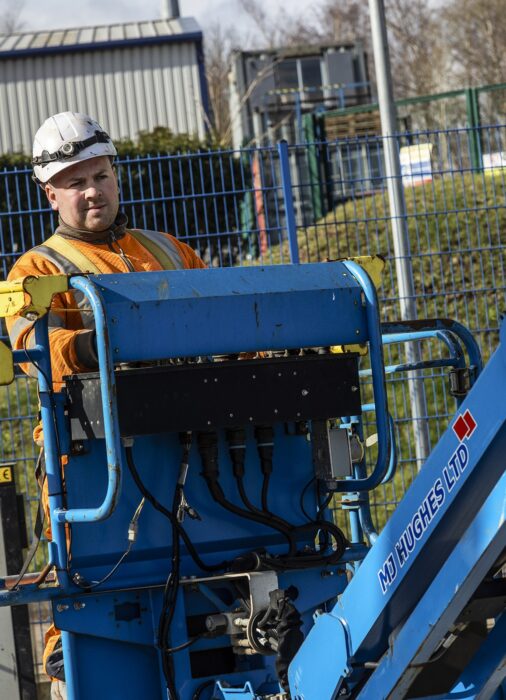
EasiloadSpecifically designed for machinery with low-ground clearance, including access platforms and MEWPs.
MultiloadA multifunctional plant body for crane vehicles, engineered to transport containers, plant and other non-driven items.
CombiloadOffering both intricate details and the robustness required for access platforms and heavy machinery.
Miniload NEWCompact, agile, and built for tight turns and urban jobs – perfect for transporting lighter plant, from tools to mini diggers, and compactors.
The UK’s HGV driver shortage has faded from the front pages, but that doesn’t mean it’s been solved. It’s changed shape. And for plant hire, access and general haulage operators, how you respond to it now has less to do with recruitment posters and more to do with the trucks you’re putting drivers into.
The numbers behind the headlines
The panic years are behind us. At the height of the shortage in the final quarter of 2021, 43% of HGV operators reported driver vacancies. By the fourth quarter of 2024, that figure had fallen to 24%, down from 28% the quarter before – the first sustained decline since the crisis began. On paper, that looks like recovery.
Put simply: the shortage isn’t a supply-chain-breaking emergency anymore, but it hasn’t gone away. It’s become a quieter, more structural problem – fewer experienced drivers, an uneven training pipeline, and operators who can’t always match the right specialist to the right vehicle on any given day.
It’s not just about headcount anymore
For years, the instinctive response to a driver shortage has been to try and hire more drivers. That’s still worth doing. But for fleet and transport managers, there’s a second lever that gets far less attention: what each driver-and-vehicle pairing is actually capable of.
If you can’t guarantee a specialist crane operator is on shift, or a driver with years of experience judging a low-clearance MEWP load, the truck itself has to close some of that gap. That’s not a marketing angle – it’s a genuine operational response to a labour market that’s tighter and less predictable than it used to be. Here’s how that plays out across a plant body range built for exactly these conditions.
1. When you can’t specialise drivers, versatile bodies become the buffer
A shortage doesn’t just mean fewer drivers – it means less certainty about which driver is available for which job on any given day. That’s a scheduling problem as much as a recruitment one, and it’s where versatile plant bodies earn their keep.
The Sterling Multiload is built to function as both a crane vehicle for lift-on equipment and a beavertail for drive-on machinery, using its fold-forward cheesewedge ramp system. In practice, that means one truck – and one driver, whoever’s on shift – can cover a crane job or a drive-on job without needing a dedicated specialist tied to a dedicated vehicle. When you’re short-staffed, that flexibility is the difference between turning work away and covering it.
The Sterling Combiload solves a related version of the same problem for mixed-hire businesses. Built to carry everything from access platforms to heavy-duty excavators off the back of one body, it means a rental company doesn’t need to ring-fence separate trucks – and separate drivers – for its access fleet and its plant fleet. In a labour market where you can’t always predict who’s available, that kind of cross-fleet flexibility reduces how much of your operation depends on having exactly the right person in exactly the right seat.
2. A thinner training pipeline means loading design has to do more of the work
With centralised bootcamp funding gone and training provision increasingly patchy by region, operators can expect a wider spread of experience levels coming through – including drivers with less hands-on time behind them than in previous years. That has direct implications for how safely machinery gets loaded, particularly low-clearance kit like scissor, boom and spider lifts, where grounding out or misjudging an angle has traditionally relied on an experienced operator’s feel for the job.
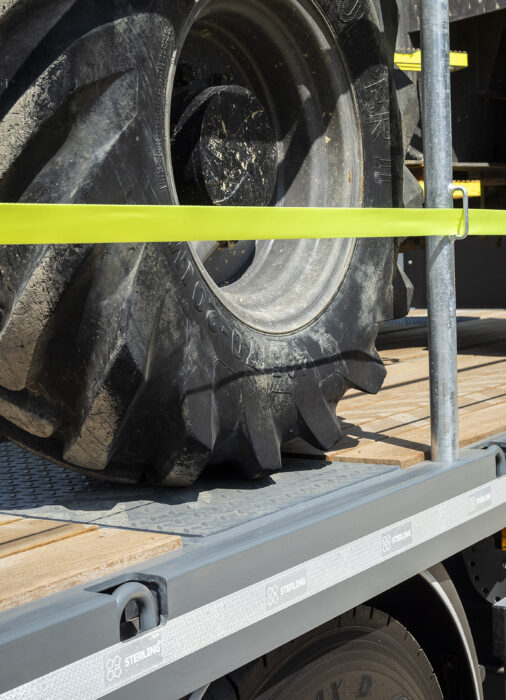
The Sterling Easiload is designed specifically around removing that reliance on judgement. One of the shallowest loading angles in the industry, combined with mesh decking for grip on smoother tyres, closely spaced cross members for high point loading, and built-in fall arrest and lashing points, means a less experienced driver has far less room to get it wrong. This isn’t about replacing skill – it’s about designing out the specific failure points that a thinner training pipeline makes more likely.
3. Uptime is a workforce multiplier
It’s easy to think of reliability purely in maintenance terms – fewer repairs, lower running costs. In a tight labour market, it means something else too: every hour a truck spends off the road for a fault is an hour a scarce driver isn’t working either.
The Sterling Megaload is built around a deliberately simple, low-component design specifically to minimise potential points of failure, alongside features like a double break beavertail and grouser bars for safely loading heavy tracked machinery. The commercial case for that simplicity used to be about residual value and lower running costs. In 2026, with every driver harder to replace than the last, it’s also a workforce argument: a truck that stays on the road keeps a driver working, rather than waiting on a repair that pulls both off the schedule at once.
4. Tight sites demand more from every driver – not just the newest ones
Not every job is a motorway run. Inner-city sites, narrow estate roads and restricted-access developments put pressure on any driver, regardless of experience, and that pressure compounds when you’re relying on drivers who may be newer to the job or unfamiliar with a particular site.
The Sterling Miniload, built on chassis from 7.2 to 14 tonnes, is designed for exactly this kind of manoeuvring – tight turns, estate developments, inner-city and short-range plant moves – without the bulk of a full-size rigid. Like the Megaload, it’s built with a simplified, fewer-components approach specifically to reduce breakdowns, while its safety-centric loading angles are designed to protect operators on uneven or restricted sites.
Truck spec as workforce strategy
None of this replaces the need to recruit, train and retain drivers – that work still matters, and the industry knows it. But in a market where 117,000 drivers have left in a year and training funding has become regional and inconsistent, the vehicles you put those drivers into aren’t a neutral factor. A body that lets one driver cover two types of job, that reduces how much depends on judgement calls, that stays on the road instead of in the workshop or in the yard, or that takes the physical strain out of the trickiest sites – each of those is doing some of the work that recruitment alone can’t.
The specification of a truck used to be a procurement decision. In 2026, for operators managing a smaller and less predictable pool of drivers, it’s increasingly a workforce decision too.
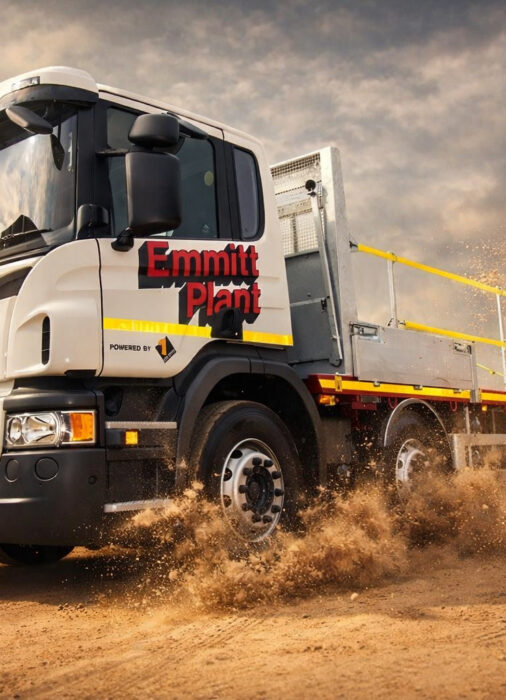
"‘We have had Sterling bodies on the fleet since 2017 and they have always performed well for the machines that we operate. The backup support allows us to rely on maximum up-time for our delivery service to our clients. With the new livery and the enhancements to the specification, these trucks will allow us to maintain the highest standards of safety and efficiency for years to come.’ "